It started as a protest. 500 women from Gaushala walked 15 kilometers to the district hospital to demand basic maternal care. What happened next changed how we think about healthcare delivery in rural Nepal.
On the morning of Baisakh 12, 2081, something extraordinary happened in Gaushala, Mahottari. Five hundred mothers — many carrying infants, some visibly pregnant — gathered at dawn and began walking toward Jaleshwor District Hospital, 15 kilometers away.
Why They Walked
The local health post in Gaushala had been without a nurse for seven months. The birthing center, built with government funds just three years earlier, had been locked because there was no trained staff to operate it. In those seven months, three women had died during childbirth because they couldn't reach the district hospital in time.
The mothers weren't marching in anger — they were marching in desperation. Each woman carried a handwritten letter describing her experience with the healthcare system. Some letters were barely legible, written by women who had never completed primary school. But every single one told the same story: neglect.
The Response
I was in Kathmandu when I received the call. By evening, I had spoken with the Health Ministry, the Chief District Officer, and the Provincial Health Directorate. Within 72 hours, we had:
- Deployed two auxiliary nurse midwives from the district pool to Gaushala
- Reopened the birthing center with emergency supplies
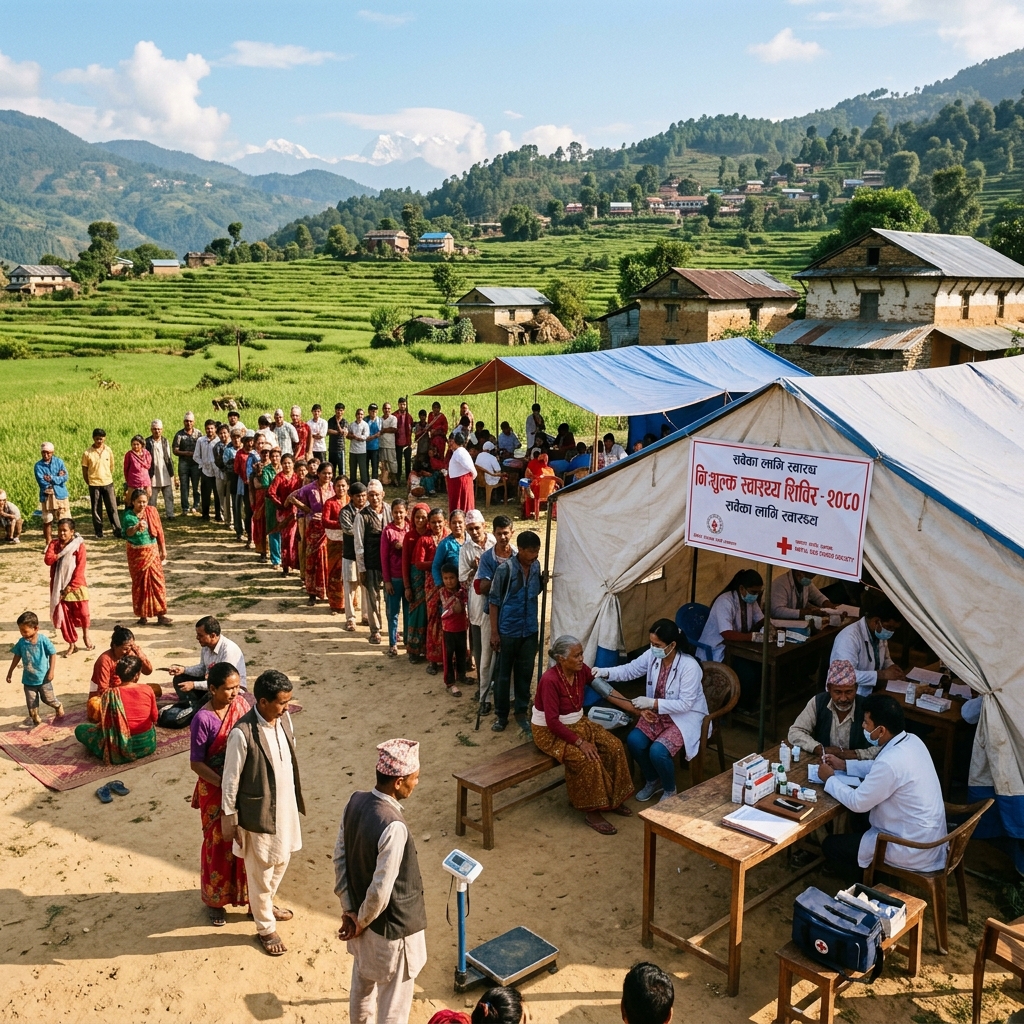
- Established a weekly mobile health clinic serving four surrounding VDCs
- Initiated an investigation into why the position had remained vacant for seven months
The Bigger Picture
But emergency responses are not solutions. The real question is: why did 500 mothers have to walk 15 kilometers before anyone paid attention? The answer lies in a system that treats rural healthcare as an afterthought.
"No mother should have to choose between her health and her dignity. Healthcare is not a favor from the government — it is a right."
What We've Built Since
The Gaushala march became a catalyst. We launched the 'Aama Ko Swasthya' (Mother's Health) program, now operating in 23 health posts across Mahottari. The program ensures minimum staffing levels, emergency transport networks, and community health volunteer training. In two years, maternal deaths in program areas have decreased by 67%.
Those 500 mothers didn't just walk for themselves. They walked for every woman in rural Nepal who has been told to wait, to manage, to make do. Their courage reminded us all that healthcare is not a privilege — it's a promise we make to our citizens.